class ii malocclusion dog
Malocclusion can present without significant symptoms or can be severely debilitating. Also known as an overbite overjet overshot and mandibular brachygnathism it occurs when the lower jaw is shorter relative to the length of the he upper jaw.
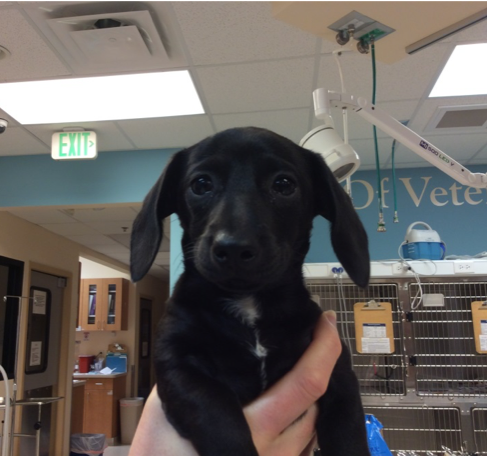
Class Ii Malocclusions When The Lower Jaw Is Shorter Than The Upper Jaw The Cove
Mandibular distoclusion or Class 2 Malocclusion MAL2.

. Lingually displaced 404 canine. Class II malocclusion 02. Our goal in these cases is to give our patients a comfortable and functional bite.
Some of the various treatment options include extraction of the offending tooth or teeth removing the crown of a tooth and performing. The amount of space between the maxillary and the mandibular incisors varies with the severity of the condition. This often results in mandibular canine teeth traumatizing the palate.
Class 2 or class II malocclusions are characterized by upper molars that are too far forward compared to the lower molars. Class I Malocclusion Narrow Arches Edge-to-edge Anterior Occlusion Dental Crowding. Treatment options vary for each type of malocclusion.
Class II Malocclusion. Class II malocclusion is considered the most frequent problem presenting in the orthodontic practice affecting 37 of school children in Europe and occurring in 33 of all orthodontic patients in the USA1 Class II malocclusion may also involve craniofacial discrepancies which can be adjusted when patients are adolescent. Malocclusion in dogs and cats Peter Southerden Tuesday May 2 2017 Malocclusion involves abnormal relationships of teeth to each other and other oral structures.
Malocclusion Angle Class II veterinary Tooth. Depending on the class of malocclusion palatinegingivalliptooth trauma can occur. You May Also Like Service support dogs require specialized DVM care.
Class II malocclusion. The mandible is short with respect to its normal position with the maxilla. Malocclusions are common in certain breeds of dogs.
In order to detect a malocclusion it is important for veterinary surgeons and veterinary nurses. Orthodontic presentation is possible but class II overjet III underjet and linguoversed mandibular canines are the most common presentations. ANB 5 and mean standard deviation age 2082 767 years and a Class I malocclusion group 56 patients.
Abnormal jaw growth or misalignment of the teeth themselves can result in teeth that do not align in the correct fashion. Mandibular distoclusion Class 2 malocclusion. For example class 3 malocclusions underbites are commonly seen.
Class II malocclusions are considered overbites in dogs and cats. A Class II malocclusion is classified as the lower jaw mandible being too short in comparison with the upper jaw maxilla. Though any dog or cat may suffer from dental malocclusion this is considered a very common disorder in the world of purebred dogs.
Class II malocclusions with asymmetry or severe mandibular deficiency. It can be classified as rostral or caudal. In the dog the ideal tooth positions in the arches are defined by the occlusal interarch and interdental relationships of the teeth of the archetypal dog ie wolf.
This overbite can be caused by an overly prominent upper jaw or an underdeveloped lower jaw. Malocclusion results when the upper teeth do not align properly with the lower teeth. Types of class 2 malocclusion.
Class II Malocclusion Distocclusion Mandibular Brachygnathism Mandibular Retrusion--Overshot The mandible is too short relative to the maxilla. With a class 2 malocclusion in which the lower canines are penetrating the palatal mucosa this effectively staples the mandible to the maxilla s in that relationship an abnormal dental interlock. Normally the teeth interact in a manner that allows for powerful chewing and tearing of food.
Class II Division 2 Malocclusion Deep Overbite Canine Rotations Dental Crowding Case Galleries Class II Bite Jump. The mandible resides distal caudal to its normal location in relation to the maxilla Photo 5. The mandible resides distal caudal to its normal location in relation to the maxilla Photo 5.
Malocclusion - rotation of right upper canine 104. This happens when the maxilla is longer than the mandible. Extraction of the permanent maxillary canine tooth was elected to resolve abnormal contact from the mandibular canine in a single anesthetic episode.
Terms that have commonly been associated with class II. Class III malocclusions are considered underbites in dogs and cats. Malocclusion means misalignment.
This is a type II malocclusion in a dog- the lower jaw is shorter than the upper jaw by about 1 inch. In this type of malocclusion the mandible and the maxilla are of equal lengths but one or more teeth are misaligned. A malocclusion in which a mandibular tooth or teeth have a more buccal or labial position than the antagonist maxillary tooth.
Progressive deformity is associ-ated with mechanical limitations on growth and the resulting condition is referred to as functional 336 SPECIAL REPORT -- ETIOLOGY OF CLASS II. The sample was divided into a Class II malocclusion group 32 patients. Class II malocclusion is considered the most frequent problem presenting in the orthodontic practice affecting 37 of school children in Europe and occurring in 33 of all orthodontic patients in the USA.
In rostral crossbite cases similar to anterior crossbite in people one or more of the mandibular incisor teeth are labial to the opposing maxillary incisor teeth when the. Another malocclusion that may be amenable to ball therapy is a mild Class 2 malocclusion. This case report illustrates interceptive orthodontic treatment of deciduous and permanent dentition to treat a class 2 malocclusion in a dog.
What are some common forms of skeletal malocclusion. Even the lower incisors can be a problem as they can get hung up behind the palatal rugae and incisive papilla. Measurements obtained for anterior arch length and width Bolton.
The majority of malocclusion cases result. Orthodontic presentation is possible but class II overjet III underjet and linguoversed mandibular canines are the most common presentations. Class 2 malocclusions can be subdivided into two categories division 1 and division 2.
Malocclusion in dogs is usually hereditary which means the condition is passed down to future generations. 1 ANB 25 and mean standard deviation age 1920 504 years. An underbite occurs when the mandibular lower jaw teeth protrude forward relative to the maxillary upper jaw teeth.
Leen Verhaert DVM Dip. Therefore the mandibular incisors do not touch the cingulum of the maxillary incisors. Figure 2a One major difference between adult and deciduous malocclusions is the anatomy of the teeth involved.
The American Veterinary Dental College defines Class II malocclusion as mandibular distocclusion when there is an abnormal rostro-caudal relationship between the dental arches in which the mandibular arch occludes caudal to its normal position relative to the maxillary arch Figure 3. Orthodontia the movement of teeth is not performed on show dogs or dogs that are intended for breeding. The rest of the post is available to users registered at.
This often results in mandibular canine teeth traumatizing the palate. Mandibular distoclusion Class 2 malocclusion. The mandibles are longer in respect to their normal relationship to the maxilla.
Ball therapy is a treatment for mild malocclusions when the mandibular canines are impinging on the soft tissues of the upper jaw.

Read This Dentistry Article By Katie Rankin Bs Rvt

Angle S Classification For Malocclusions Dentalnotebook

Malocclusion In Dogs And Cats The Veterinary Nurse

Maxillary Canine Tooth Extraction For Class 2 Malocclusion In A Dog Semantic Scholar
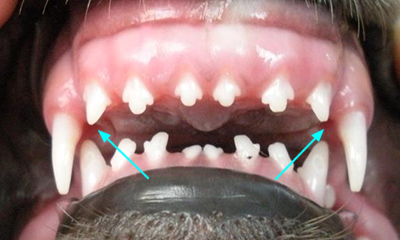
Overbite Veterinary Dental Center Malocclusion In Pet

Canine Classification A Class I Canine With The Maxillary Canine Download Scientific Diagram
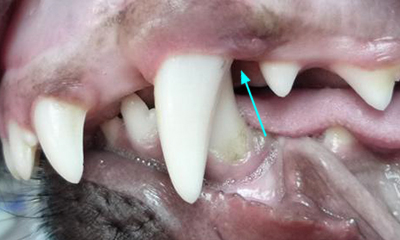
Overbite Veterinary Dental Center Malocclusion In Pet

Malocclusion In Dogs And Cats The Veterinary Nurse

Malocclusions In Dogs And Cats Centennial Animal Hospital
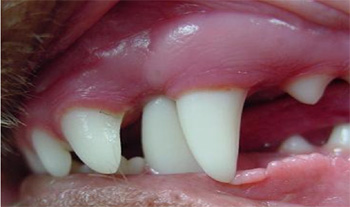
Feature Oral Health Issues In The Dog Developmental Abnormalities Malocclusions By David E Hansen Dvm Favd Davdc

Treatment Of Class Ii Malocclusion With Tooth Movement Through The Maxillary Sinus American Journal Of Orthodontics And Dentofacial Orthopedics
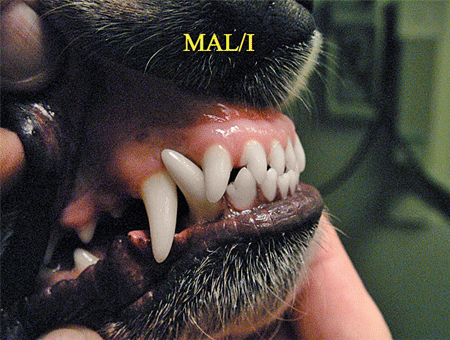
Defining Dental Malocclusions In Dogs

Malocclusions In Dogs And Cats Centennial Animal Hospital

That Bites Dental Malocclusions And Abnormal Bites In Pets Vet In Aurora The Animal Dental Clinic

Helping Your Puppy With Teeth Misalignment Malocclusions

Puppy Teeth Problems The Ultimate Guide Sydney Pet Dentistry
Recognising Malocclusion In Dogs And Cats Veterinary Practice
2
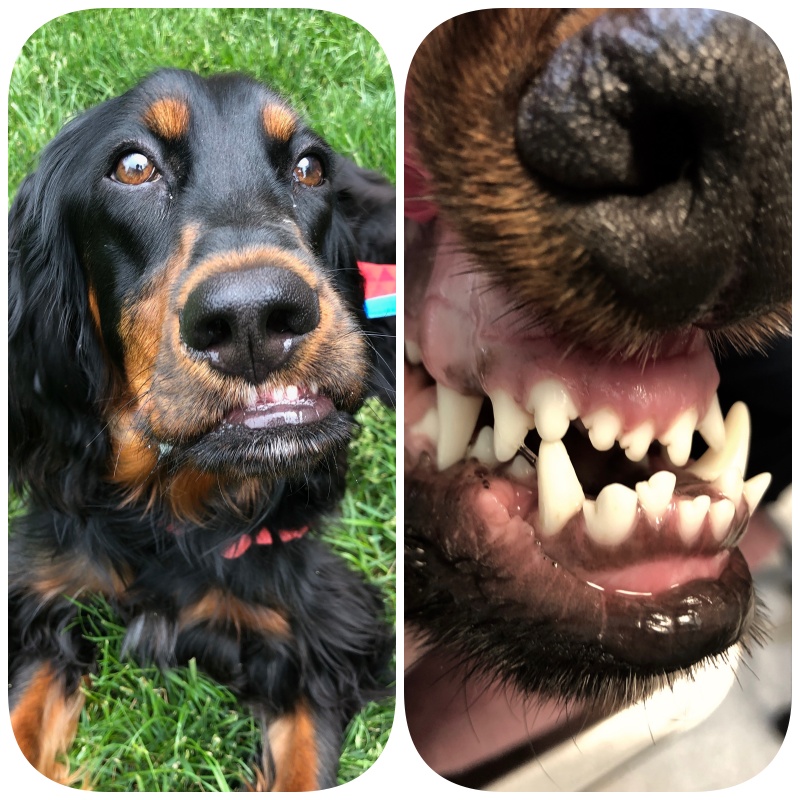
Malocclusions Misaligned Teeth Animal Dental Specialist